
The Importance of the Stock & Rural Crime Squad
Back in 2007, when I first started writing fiction, I created a character named Detective Dave Burrows.
He was my lead male character in my first published novel, Red Dust. Dave worked hard, played hard, loved the bush and his job as lead detective in the WA Rural Crime Unit.
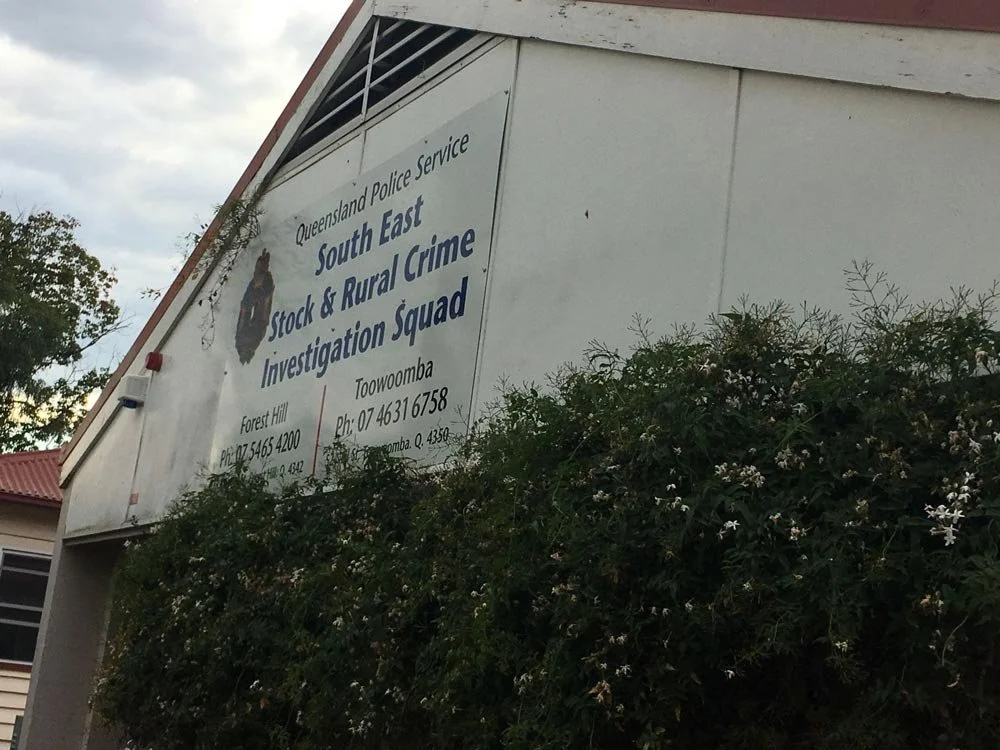
In the same year Red Dust was published (2009), the government of the day (Labor’s Carpenter Government) decided it was a good idea to disband the Rural Crime Unit.
From there, there was a half-hearted attempt to get it up and running through the Department of Agriculture. A ridiculous idea – the Department of Ag employees don’t have the authority, nor the skills required to perform detective duties such as searching farms and conducting forensic investigations. What they do have is the ability to check the NVD forms as stock turn up at sale yards or abattoirs.
Later, it was passed over to your local detective in town. Again, as good as that detective may be, he’s probably not had the experience that the stock squad guys and girls do. The detectives within any rural crime unit are not just detectives. They have to be able to ride motor bikes and horses, camp out and be stockmen. These detectives are a different kind; they know how to talk to country people.
I know a little about how the Rural Crime Squad used to work in WA – I’m good friends with the bloke who used to run it. I’ve also spent time in Queensland with Detective Inspector Mick Dowie, of the Organised Crime Squad (Rural).
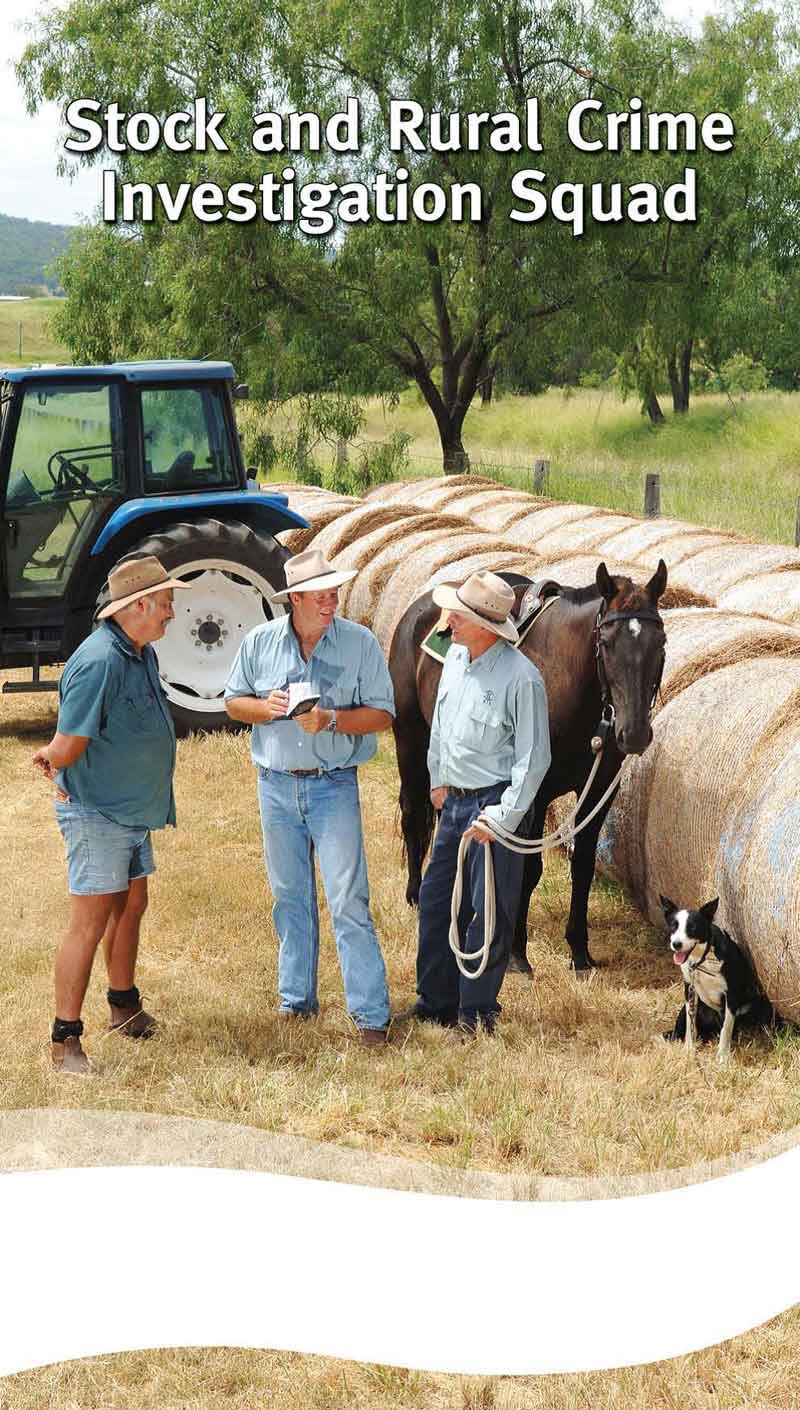
On the 7th of May 2018, there was a call by WA sheep producers to bring back the Rural Crime unit after sixty thousand dollars’ worth of sheep were stolen from a property near Gnowangerup. Great idea, since it wasn’t the first reported theft of 2018.
I guess we’re probably all feeling a little frustrated when we opened the Farm Weekly on the 3rd of January and found the first two pages were reports of rural theft, even with the arrest of two men.
Rural crime costs farmers millions of dollars per year, and the rate of arrests compared to the dollar value lost is exceedingly low. It used to be that rural theft was opportunistic. I don't believe that any more. With higher numbers of sheep being stolen (like the 1000 merino cross ewes which were taken in December from a NSW property), the perpetrators have to be organised. Thefts like this would have taken a lot of planning.
There are sophisticated ways of casing farms; drones are just one. And with the increase of animal activists coming onto private properties and causing mischief, we need to be able to call in professionals when we need them.
With every theft, there is an impact on a farmer’s bottom line. The expense of security cameras, installation, perhaps locks and chains. The list could go on.
With all of this in mind, I think it’s time to bring back to the Rural Crime Unit. A dedicated unit focused on theft in rural areas. Don’t you?
