

Detective Dave Burrows Country
Detective Dave Burrows country has a special pull on me. I guess that's why I shifted Dave to his little town called Barker. With Dave and his wife, Kim, living there, I got to hang out in the Flinders Ranges every year, even if I hadn't got back there to physically visit. Out here, the mobile range is patchy, this history is strong, and the trees are ancient. In fact, I often joke that the Flinders Ranges are so wild and isolated that they are the perfect place to drop a body when I don't want it to be found for a while (fictional, of course!)
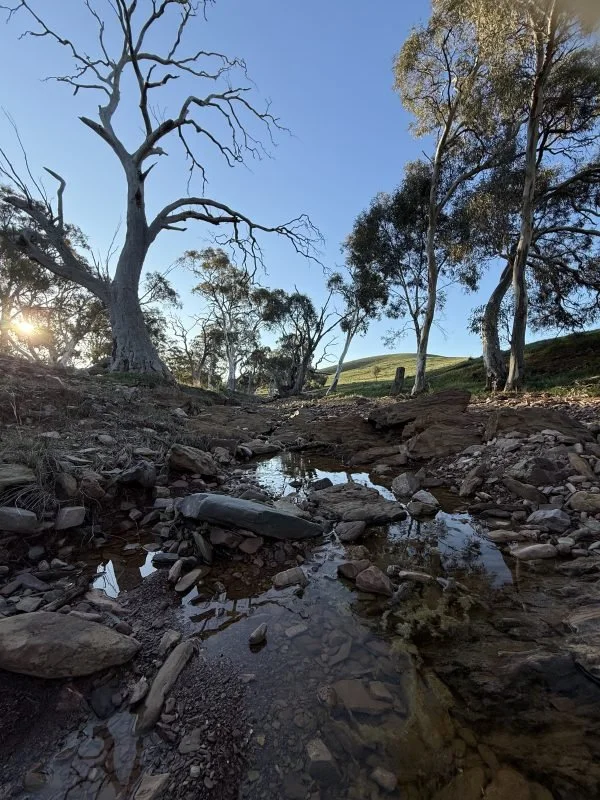
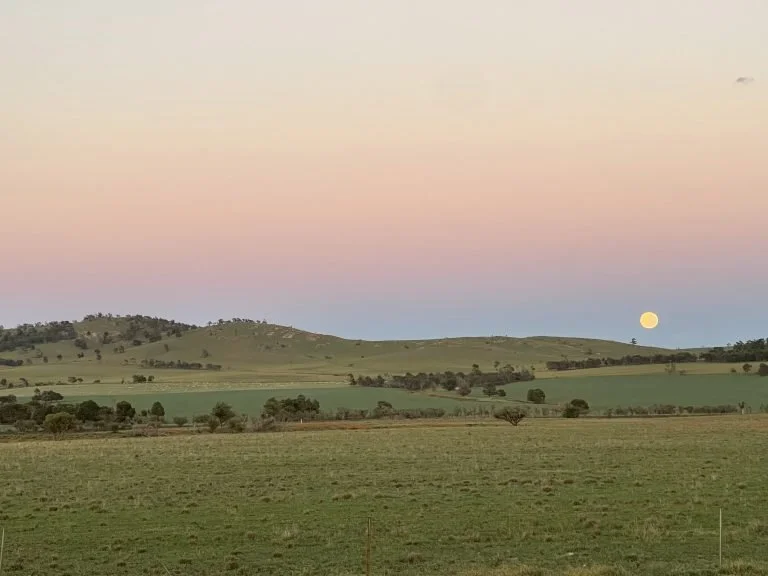
While I was visiting mum and dad for Father's Day, on Saturday night, there was a wild, wild storm! In fact, I don't remember a thunderstorm like that for many years. I thought the roof was going to blow off the Atco hut I was staying in. And how, for hours, the thunder rolled, all the while the moon (which was full) still shone through the clouds that were whipping across the sky. Then just before dawn, the rain started. Not a gentle rain, but someone upstairs seemed to be really annoyed, because the drops sounded like they were being hurled down. After the rain came hail. My cousins, who were visiting too, were in a hire car as I was, and when we compared notes at breakfast, we all had the same thought: 'shit, the hire car has a $6,000 excess on, please don't hail!' Thankfully, everything was fine. The creek didn't run properly that day, but after 15mm, it certainly laid some water and lovely deep puddles for the kids to play in.
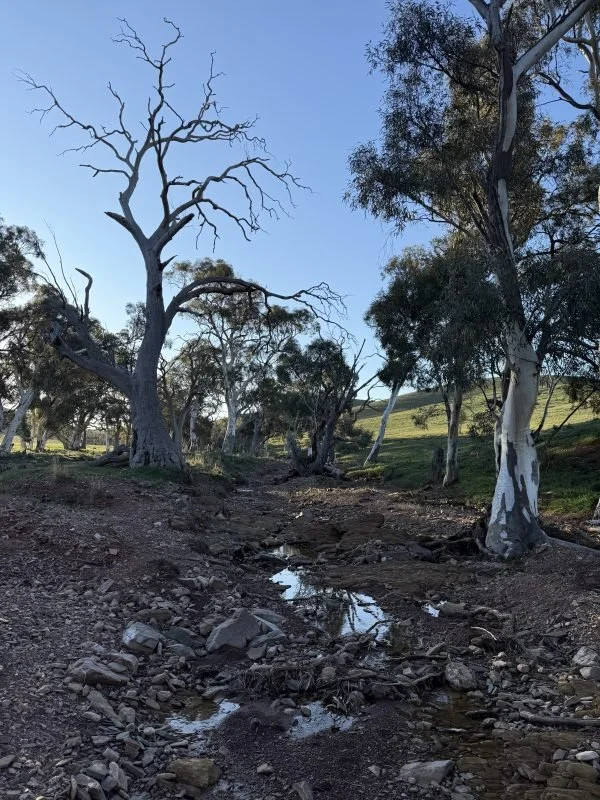
Apparently, two days later, after we all left, there was another storm, and the creek ran, with water rushing down. It's so lovely to see the area looking lovely and green, with a whole heap of feed for the sheep. Decent rains can be few and far between in the station country of the Flinders.
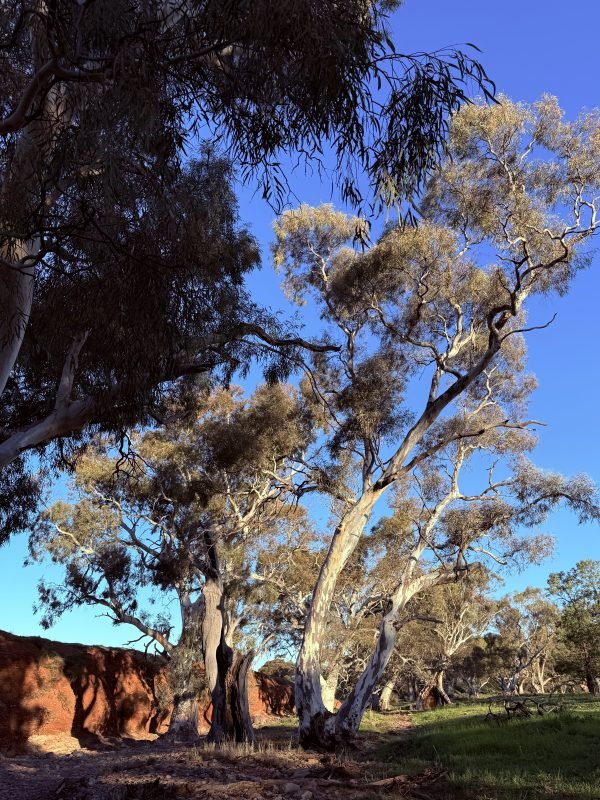
It's also lovely to see parts of South Australia looking alive after such very tough times. What you need to understand about drought is that one rain doesn't fix it. The soil profile is so empty that it takes more than one rain to wet the ground up enough to germinate the grasses and to run water into a dam. If you imagine a sponge, you know it takes a lot of water, rather than a few squirts of water to wet it properly. Soil is the same. Also, if that first rain falls in the middle of winter, the soil temperature is often too low to germinate the feed. Or at least to get it to grow enough so that the stock can graze on it. Yes, we celebrate that first rain; it's damn nice to know Mother Nature can still send rain, because sometimes we wonder if she can. But we need many more rains after that to love the soil back to where it can grow pastures and crops for us.
Parts of South Australia haven't received even their first rain, and the paddocks are dry and dusty, so spare a thought for those farmers who are emptying their bank accounts on supplementary feed for the animals - there is nothing more soul-destroying than hand feeding stock day after day, months after month, year after year. Is it any wonder that agriculture has a high rate of death by suicide?
If you've got any questions on drought, drop them below, and I'll answer them. I'd love to help people who don't know about agriculture understand what happens during these really tough times.
